For many Watertown drivers, a hybrid is the easiest choice without dependable charging, a plug-in hybrid fits daily charging with gasoline flexibility, and an EV makes sense when charging fits your routine. At Shaker's Family Hyundai, part of our parent company, Shaker Auto Group, we can help you compare Hyundai models around your commute, overnight parking, and winter travel plans.
Key Takeaways
- A conventional hybrid needs no external charging and keeps winter refueling straightforward.
- A plug-in hybrid can handle a commute longer than its electric range using gasoline.
- Cold temperatures can reduce hybrid fuel economy, electric driving range, and charging speed.
- Reliable home or workplace charging makes an EV easier to own through winter.
How Hybrids, Plug-In Hybrids, and EVs Work
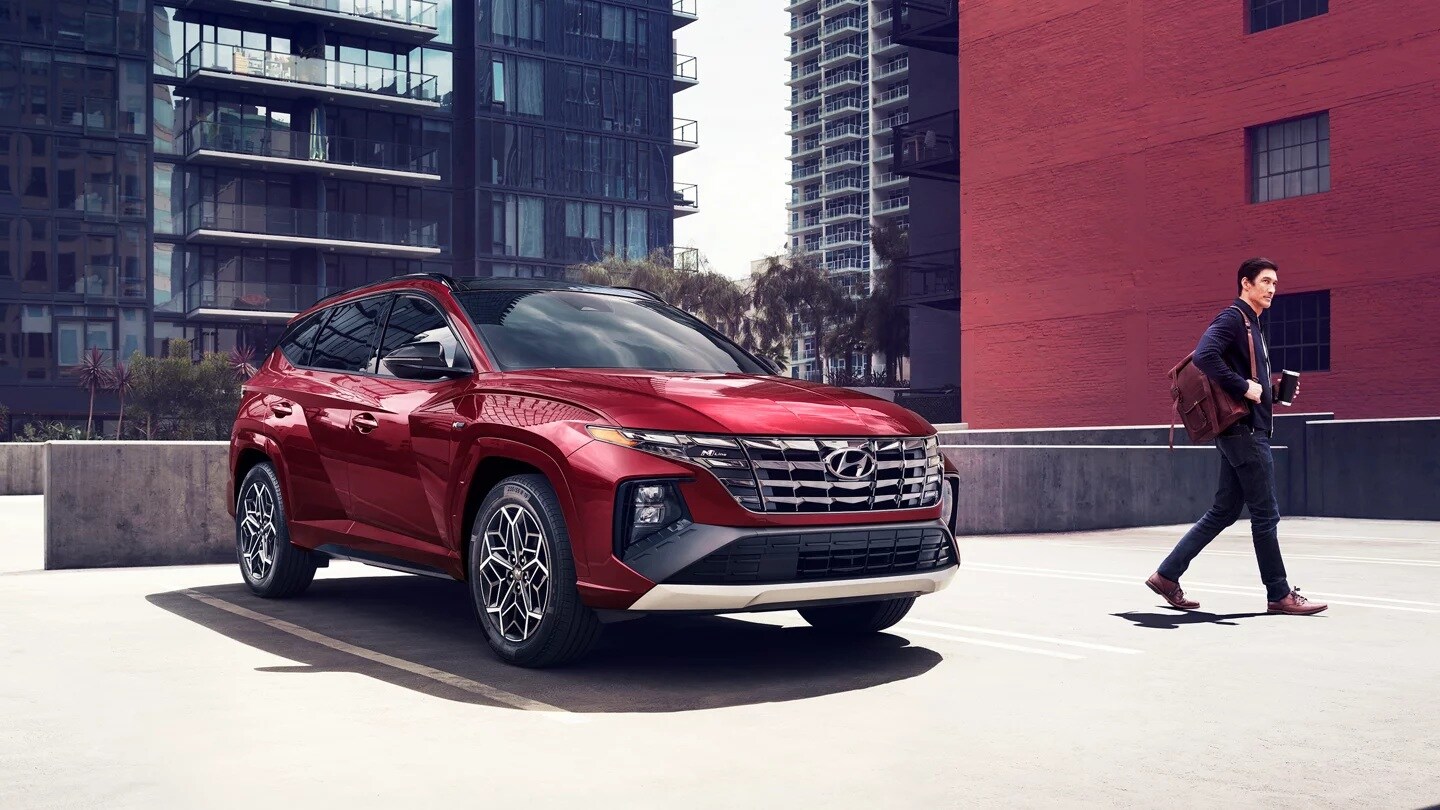
A hybrid combines a gasoline engine with an electric motor and charges its battery without plugging into an outlet. The Tucson Hybrid and Santa Fe Hybrid fit drivers who want electric assistance while keeping familiar gas-station stops. Their batteries recover energy during deceleration, and the gasoline engine also supports battery charging.
A plug-in hybrid adds a larger rechargeable battery so you can cover some driving on electricity before continuing with gasoline. The Tucson Plug-in Hybrid gives you that flexibility, making regular charging useful without making a charging stop necessary to finish every trip.
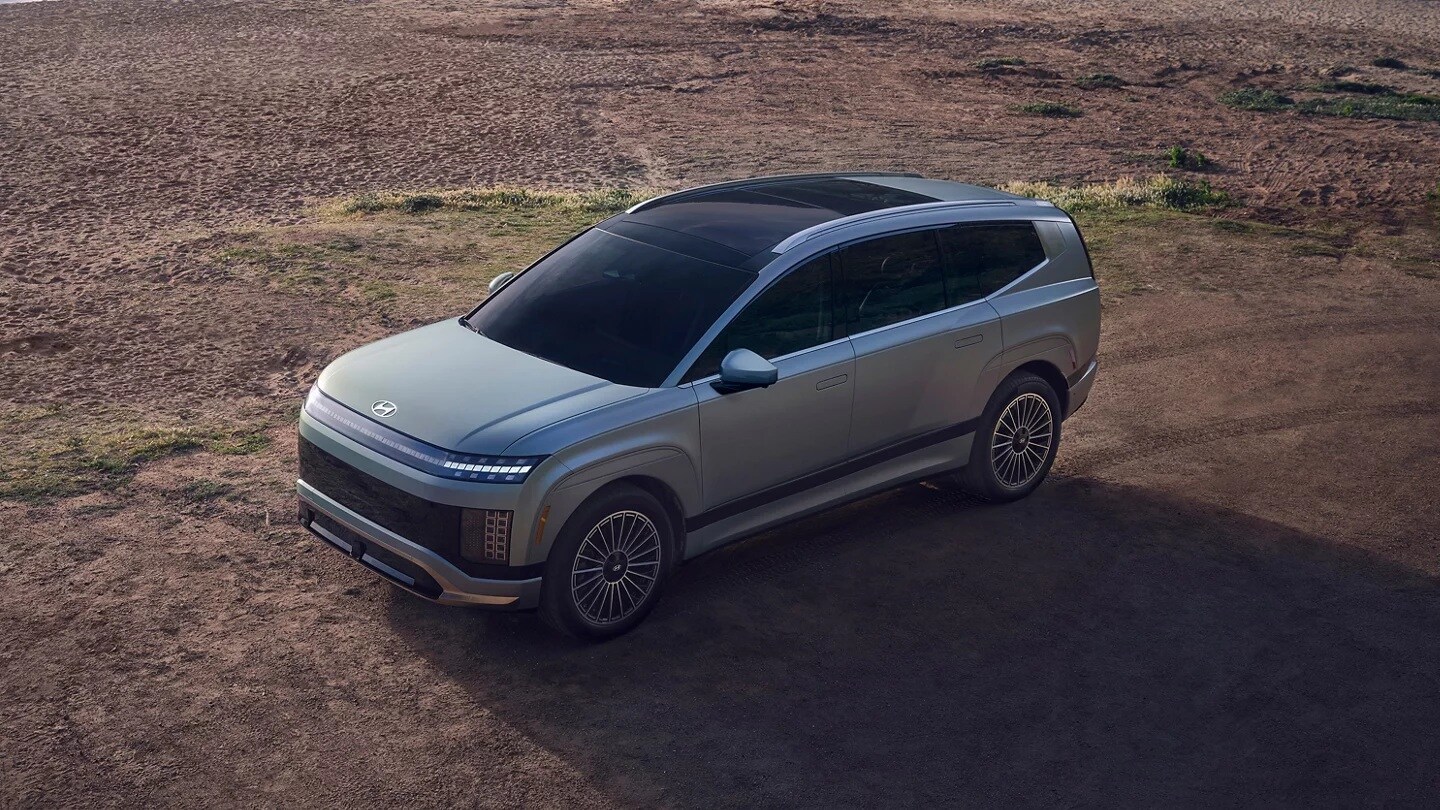
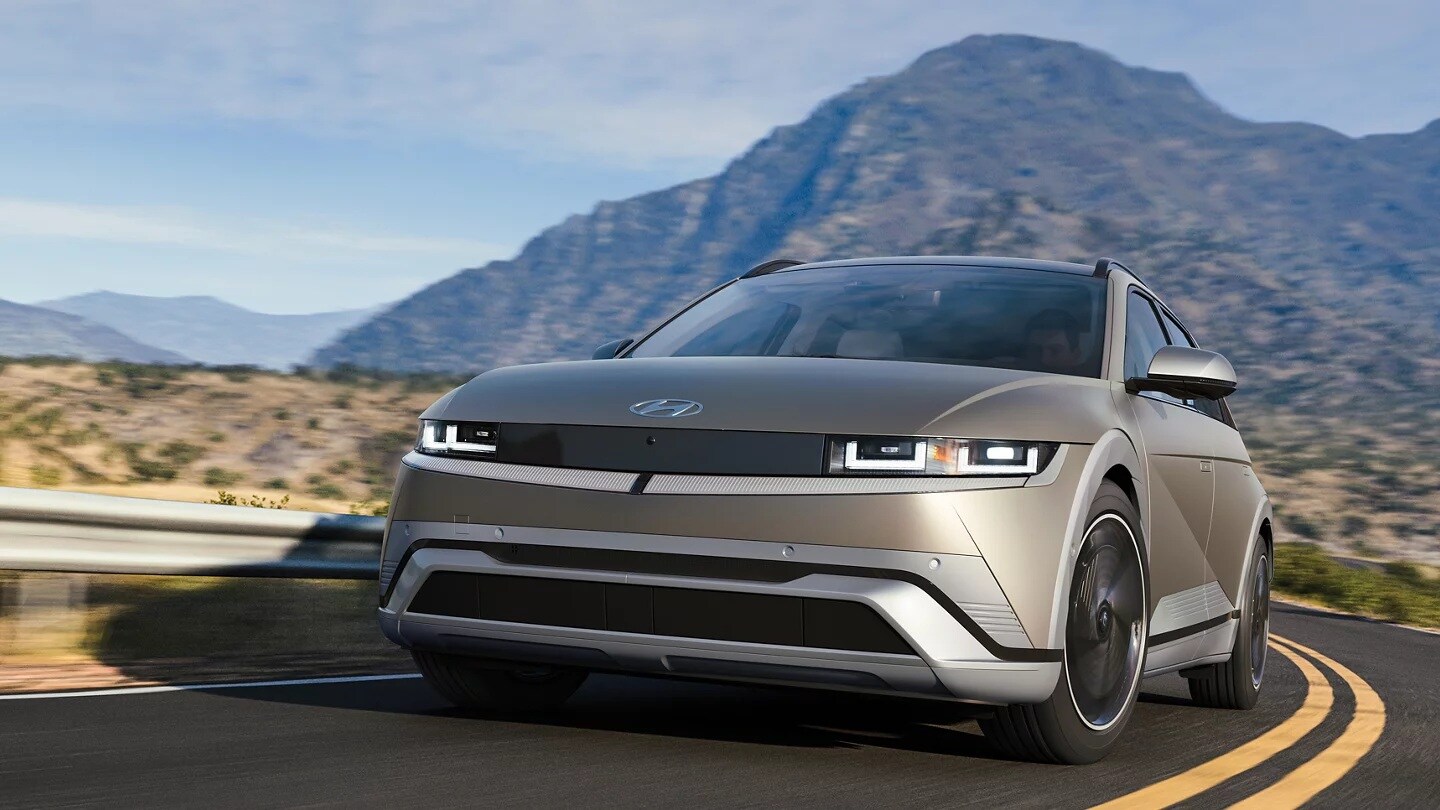
An EV runs entirely on electricity and needs an external charger to replenish its battery. The IONIQ 5 and three-row IONIQ 9 suit different space needs, but both call for a dependable charging plan rather than gasoline backup.
Which Hyundai Makes Sense Without Home Charging?
A conventional Hyundai hybrid is usually the most straightforward winter choice when you cannot charge reliably at home or work. You can drive an Elantra Hybrid or Sonata Hybrid without building charging stops into your week, whether your commute stays in Watertown or takes you into Waterbury.
A Tucson Plug-in Hybrid still operates using gasoline when its usable plug-in charge runs down, but infrequent charging means fewer opportunities to benefit from its electric capability. A regular Tucson Hybrid deserves a close comparison if plugging in would usually require a separate trip.
An EV can work without a home charger when dependable workplace or public charging already fits your schedule. Before choosing one, check charger compatibility, access hours, and whether you have another convenient location when your usual station is occupied.
How Cold Weather Affects Hyundai Driving Range
Cold weather can lower fuel economy in hybrids and reduce electric range in plug-in hybrids and EVs. Batteries work less efficiently in low temperatures, while heating the cabin uses additional energy. Short trips can be especially demanding because the vehicle repeatedly starts cold.
In a Santa Fe Hybrid or Palisade Hybrid, winter can mean more frequent fuel stops than you experience in mild weather. The gasoline engine takes time to warm up, and winter conditions can reduce the efficiency benefits you see on your usual route.
In an IONIQ 5 or IONIQ 9, leave more range between your planned trip and the battery’s remaining charge. Highway speed, cabin heating, wind, and snow-covered roads can all affect consumption. Published range is a useful comparison point, not a promise for a freezing morning in Connecticut.
We can help you compare Tucson Hybrid and Tucson Plug-in Hybrid models in our current selection if you want to see which better matches your charging routine.
Is a Plug-In Hybrid Worth It for a Longer Commute?
A Tucson Plug-in Hybrid can still make sense when your winter commute exceeds its electric range, provided you can charge regularly. You can use electricity for part of the drive and continue in hybrid operation using gasoline afterward. You do not have to stop and recharge just because the initial plug-in charge has been used.
For a drive from Watertown toward Torrington and back, the useful question is how much of your weekly driving regular charging could cover. Workplace charging may add another opportunity to replenish the battery, while home charging lets you start the next day with a fresh charge.
Cold-weather operation can also require the gasoline engine even when charge remains, depending on conditions and vehicle demands. Treat plug-in capability as a way to reduce gasoline use, rather than a guarantee that every short winter drive will be engine-free.
Outdoor Parking and Cold-Weather Charging
Outdoor overnight parking does not rule out an EV, but convenient charging becomes more valuable when the battery and cabin start cold. An IONIQ 9 parked in a Watertown driveway can still fit your routine when you have suitable home charging and enough range for the day ahead.
On equipped Hyundai EVs, Battery Conditioning Mode adjusts battery temperature to support cold-weather operation and preparation for DC fast charging. Activation methods and operating requirements vary by vehicle, so we can walk through the controls on the model you are considering.
Hyundai EVs also offer scheduled charging and climate controls. Heating the cabin while connected to a suitable charger can reduce how much driving energy you use getting the interior comfortable after departure. Battery conditioning and cabin heating serve different purposes, so it helps to understand both.
Without a plug near your parking space, a Tucson Plug-in Hybrid retains gasoline flexibility, while an EV depends on your next charging opportunity. For either vehicle, regular access to charging matters more than whether the parking space has a roof.
Winter Highway Trips in a Hybrid, Plug-In Hybrid, or EV
A hybrid keeps long winter trips closest to the refueling routine you already know, while an EV requires charging stops planned around the route. A Sonata Hybrid suits drivers who want a sedan, and a Palisade Hybrid adds a three-row option without requiring external charging.
A Tucson Plug-in Hybrid lets you begin with a charged battery and continue on gasoline during a longer highway drive. Charging at your destination can restore electric driving for local errands, but you do not need to arrange the entire trip around chargers.
With an IONIQ 5 or IONIQ 9, identify compatible fast chargers and a backup location before leaving. A cold battery may charge more slowly, and advertised fast-charging times depend on battery temperature, charger output, and other conditions. Allowing extra time and range makes winter travel planning more practical.
Test-Drive Your Next Hyundai in Watertown
Visit Shaker's Family Hyundai in Watertown, part of the Shaker Auto Group, to test-drive an available Hyundai hybrid, plug-in hybrid, or EV. We’ll help you explore our current selection and find a model that fits where you park, how you commute, and where winter takes you.
*Penned by AI, polished by humans